
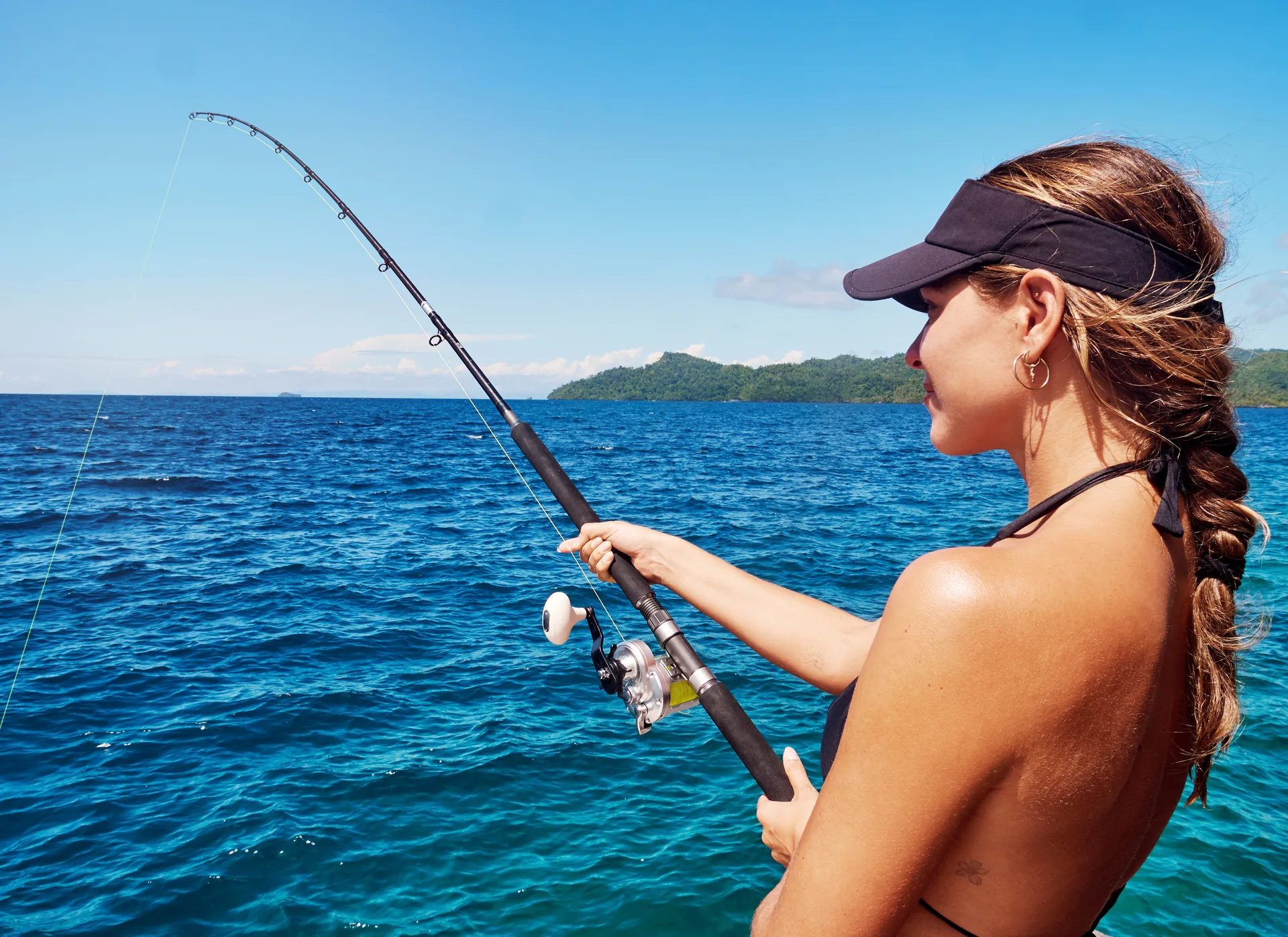
The Gulf of Papagayo is one of the most productive sport fishing destinations in the Pacific. It’s also a market with a wide range of operators — from experienced, fully-equipped local captains to informal arrangements that look fine until they don’t. Knowing what to ask and what to look for makes the difference between a trip you remember for the right reasons and one where the fish are the least of the problems.
Here’s a practical guide to evaluating charter operators in Guanacaste.
The Vessel
The boat matters more than most guests realize before they experience both ends of the spectrum.
What to look for:
- Offshore vessels should be purpose-built sport fishing boats, not converted general-purpose boats. Center consoles and express cruisers designed for offshore work handle sea conditions differently than vessels adapted for the purpose.
- Air-conditioned or shaded cabin space matters on a hot tropical day, especially for longer charters
- Proper outriggers, rod holders, and fighting chairs for the species being targeted
- Working electronics — fish finders, GPS, VHF radio
- Safety equipment including life jackets for all aboard, flares, and first aid kit
- Capacity listed honestly (a boat rated for 6 passengers should not be carrying 10)
Questions to ask:
- How old is the vessel and when was it last serviced?
- What is the actual passenger capacity?
- Is the vessel insured?
The Captain and Crew
This is the most important variable. A skilled captain on a modest boat will consistently outfish a mediocre captain on an expensive one. Experience on these specific waters — understanding the seasonal patterns, the productive structures, the current breaks — is what separates good days from exceptional ones.
What to look for:
- Captains with documented experience in the Gulf of Papagayo, not just general offshore experience
- Crew who actively fish — rigging baits, handling gaffs, working the deck — rather than watching
- A captain who asks about your goals and group before departure, not after
- INCOPESCA licensing for the vessel and operator
- References or verifiable reviews from recent charters
Red flags:
- Vague answers about where you’ll fish (“wherever the fish are”)
- No mention of gear, bait, or specific techniques upfront
- Pressure to book on the spot without time to ask questions
- No clear policy on what happens if conditions are unsafe
What’s Included
Charter prices vary significantly in Guanacaste, and understanding what’s included is essential for comparing quotes honestly.
Standard inclusions on a proper charter:
- All fishing tackle, rods, and reels
- Bait (live and artificial)
- Fuel
- Fish cleaning and bagging for kept species
- Soft drinks and water on board
Often extra — confirm upfront:
- Hotel pickup and drop-off
- Lunch on longer charters
- INCOPESCA fishing licenses for guests
- Gratuity for crew (typically 15–20% of charter price, given separately at the end)
A quoted price that’s significantly below market rates usually means something is excluded that you’ll pay for separately — or that the vessel, crew, or gear doesn’t meet the standard of operators charging what the service is actually worth.
Duration and Charter Type
Match the charter structure to what your group actually wants:
Half-day (5–6 hours): Focused inshore or nearshore fishing. Right for families, beginners, guests with schedule constraints, or anyone who wants a taste of the fishery without the full commitment.
Full-day (8–9 hours): The standard offshore charter. Gives you time to run to quality offshore grounds, work them properly, and swing inshore on the way back. The right format for billfish, tuna, or dorado hunting.
Multi-day arrangements: If serious big-game fishing is the goal — blue marlin in particular — consecutive days dramatically improve the odds. Day one often includes locating productive water; subsequent days build on that intel.
Reviews and Reputation
Verified reviews from recent guests on established platforms are the most reliable signal. Specifically look for:
- Recent reviews (within the last 12 months)
- Specificity about species caught, crew behavior, and actual experience
- Pattern of responses, not just a handful of 5-star ratings
Trip Advisor, Google Maps, and direct references from the operator are all useful. Be cautious of operators with limited or entirely undated review histories.
Booking Directly
Booking directly with the charter operator rather than through third-party aggregators ensures that the full charter fee goes to the people actually doing the work, that communication is direct (important for coordinating logistics, dietary needs, or specific gear requests), and that any changes or issues are handled by the crew who will be on your boat.
We’re happy to answer any of these questions before you book with us. Contact our team for a straightforward conversation about what we offer, what’s included, and whether we’re the right fit for your group.